

Why Professional Pet Sitting Gives Your Pets Safe, Personalized Care
Professional pet sitting brings experience, careful attention, and care shaped around each animal’s real needs: familiar routines, safety, and real peace of mind while you are away.
Leaving home is easier when the pets you love are calm, cared for, and following the routine they know. Whether it is a weekend away, a long workday, or an extended trip, the question is always the same: will they be safe and comfortable while you are gone?
Professional pet sitting answers that question with more than a quick visit and a full food bowl. It brings experience, careful attention, and care shaped around each animal’s real needs. At Time for Paws, that means treating every pet as an individual, from the dog who needs predictable walks to the cat who prefers quiet company, the bird who depends on a clean environment, or the horse or goat who needs steady, knowledgeable care.
Pets are family. When they cannot come with you, they still deserve care that feels familiar, safe, and kind.

Pets feel safer when their routine stays familiar
Most pets do best when their world feels predictable. They know when breakfast usually happens. They learn the sound of the leash being picked up. They have favourite sleeping spots, preferred walking routes, and small habits that make the day feel normal.
A change in that routine can be stressful. Some pets may pace, hide, vocalize more than usual, lose interest in food, or become unsettled when their people are away. This is especially true for older pets, anxious pets, animals with medical needs, and pets who are deeply attached to their home environment.
A professional pet sitter helps protect that sense of normal by keeping care as close as possible to what the pet already knows.
That can include:
- Feeding at the usual times
- Refreshing water and checking appetite
- Walking the same route or keeping exercise consistent
- Cleaning litter boxes, cages, stalls, or enclosures
- Giving medication only as instructed
- Offering play, grooming, or quiet companionship
- Watching for changes in behaviour, energy, or comfort
For many animals, staying at home is less stressful than travelling to a boarding facility or adjusting to an unfamiliar space. Their bed smells like home. Their toys are where they expect them to be. Their routine has fewer disruptions.
That familiar setting matters. It can help pets settle faster, rest better, and feel less alone while their family is away.
Professional care means someone knows what to look for
Anyone can love animals. Professional pet sitting adds another layer: experience.
A trained, attentive sitter does not just complete a checklist. They notice the details. Is the water bowl empty faster than usual? Did the cat skip breakfast? Is the dog limping after a walk? Does the bird seem unusually quiet? Is the horse standing differently, or is the goat off feed?
These small signs can matter.
At Time for Paws, Rasha and Darrah's background as a Veterinary Technicians brings professional animal-care knowledge to each visit. That experience can make a real difference because pets often communicate discomfort in subtle ways. They may not show obvious signs that something is wrong until a problem has developed further.
A sitter with animal-care training is better prepared to notice changes such as:
- A shift in appetite or drinking
- Vomiting, diarrhea, or unusual droppings
- Coughing, sneezing, or breathing changes
- Limping, stiffness, or reluctance to move
- Excessive scratching, licking, or grooming
- Hiding, restlessness, or unexpected aggression
- Changes in litter box habits
- Unusual behaviour in horses, goats, birds, cats, or dogs
This does not replace veterinary care. A pet sitter should not diagnose medical conditions or make treatment decisions without a veterinarian. But an experienced sitter can recognize when something seems off, communicate clearly, and respond calmly if care is needed.
Peace of mind comes from knowing someone is not only present, but paying attention.
That attention is one of the biggest reasons families choose professional care instead of relying on a quick favour from a friend or neighbour.
Personalized pet sitting respects each animal’s personality
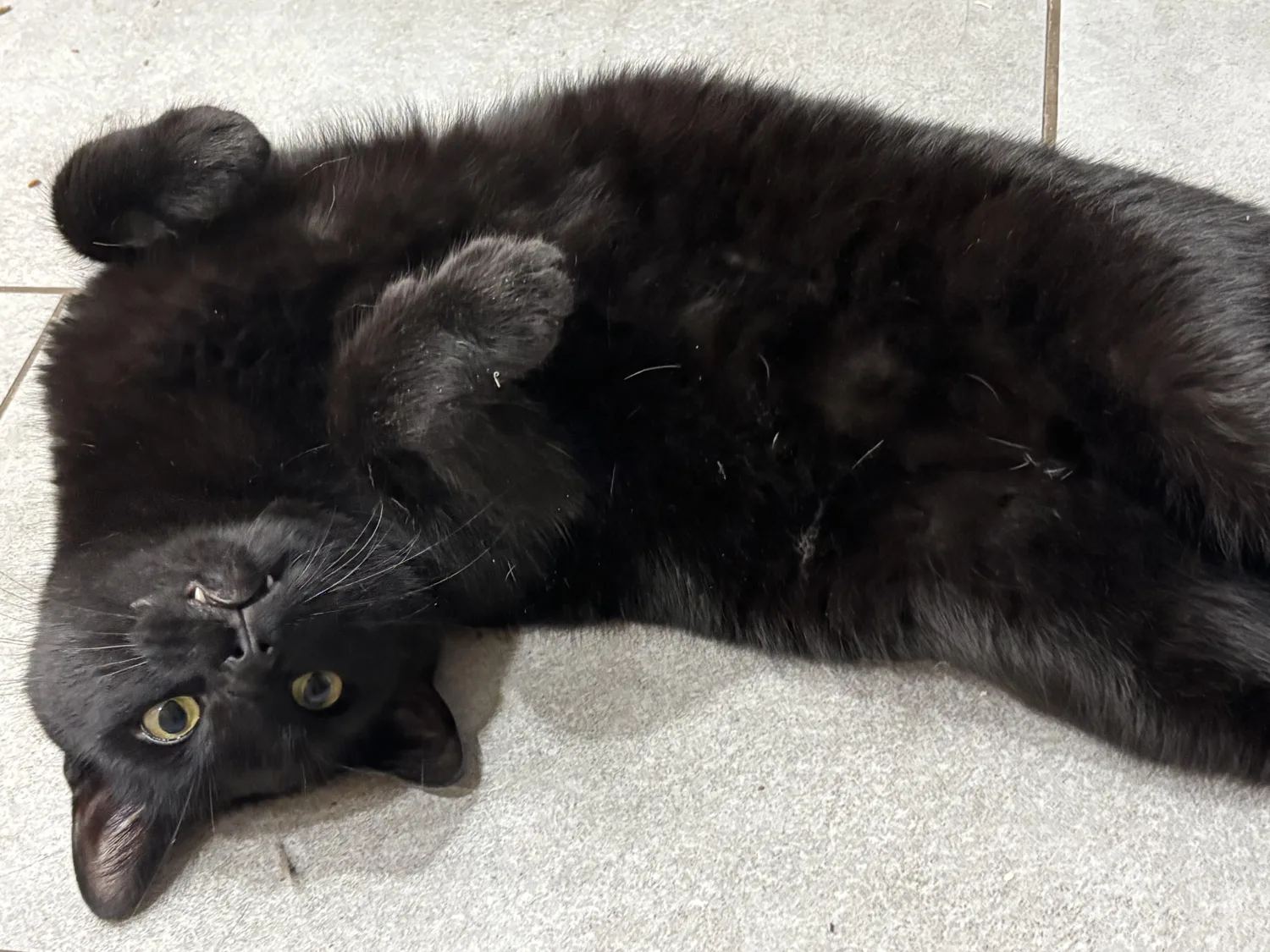
No two pets need care in exactly the same way. A young, energetic dog may need active walks and play. A senior dog may need a slower pace, extra patience, and careful footing. One cat may greet a sitter at the door, while another may prefer to observe from a safe hiding spot. A parrot may thrive on routine interaction. A horse may need an experienced person who understands body language, feeding instructions, and turnout routines.
Good pet sitting begins with learning these differences.
Personalized care looks at the whole pet, not just the species. It considers age, health, temperament, routine, environment, and comfort level.
A shy cat should not be forced into attention. A reactive dog should not be walked in high-traffic areas if quieter routes are safer. A bird’s cage should be handled carefully, with attention to cleanliness and routine. Large animals need calm, confident care from someone who respects their size, habits, and signals.
This is where professional pet sitting becomes deeply practical. The sitter follows the pet’s normal care plan and adapts to what the animal is showing in the moment.
For example, a visit with a social dog might include:
- A walk at the usual time
- Play in the yard
- Fresh water and a meal
- A quick check for any changes in movement or mood
- A calm goodbye so the dog does not become overstimulated
A visit with a nervous cat might look very different:
- Quiet entry into the home
- Food and water refreshed with minimal disruption
- Litter box cleaned and checked
- Time spent nearby without pressure
- A visual check to confirm the cat is safe and behaving normally
Both pets receive excellent care, but the approach changes because the animals are different.
That is the heart of personalized pet sitting. The care fits the pet.
Safety depends on clear plans and steady judgment
Pet care is full of small decisions. A gate must be latched properly. A medication label must be read carefully. A dog’s harness must fit securely before a walk. A horse’s feed instructions must be followed exactly. A bird’s cage door must be checked. A cat who slips into a closet must be found before the visit ends.
These details may seem simple, but they matter.
Professional care reduces risk because it uses routine, preparation, and calm judgment. Before visits begin, a sitter should understand the pet’s schedule, feeding instructions, emergency contacts, veterinarian details, home access, and any special concerns.
A strong care plan often includes:
- Feeding amounts and timing
- Medication instructions, if needed
- Exercise limits or restrictions
- Behaviour notes and triggers
- Favourite hiding places
- Emergency veterinary information
- Household safety details
- Contact preferences while the owner is away
Clear instructions help the sitter provide consistent care, but experience helps when something unexpected happens.
Maybe a storm rolls in and the dog is frightened. Maybe the cat refuses food. Maybe a goat gets out of its pen, or a horse seems uncomfortable. Maybe a bird becomes unusually quiet. In those moments, a professional sitter can slow down, assess the situation, and communicate clearly.
That calm response helps protect both the pet and the home.
Professional pet sitting supports many kinds of animals
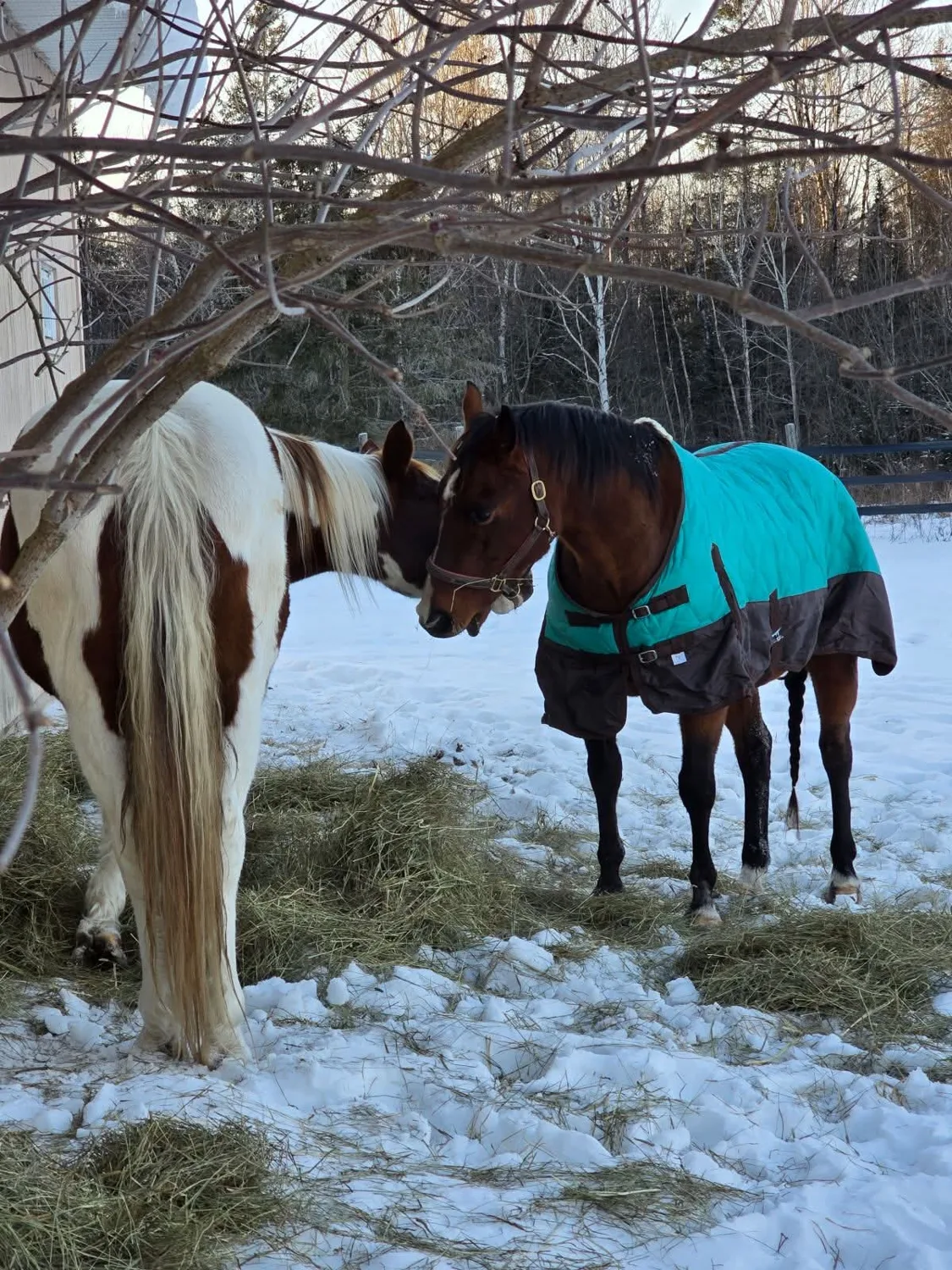
Dogs and cats may be the first animals people think of when they hear “pet sitting,” but many families care for birds, horses, goats, rabbits, reptiles, and other animals as part of daily life.
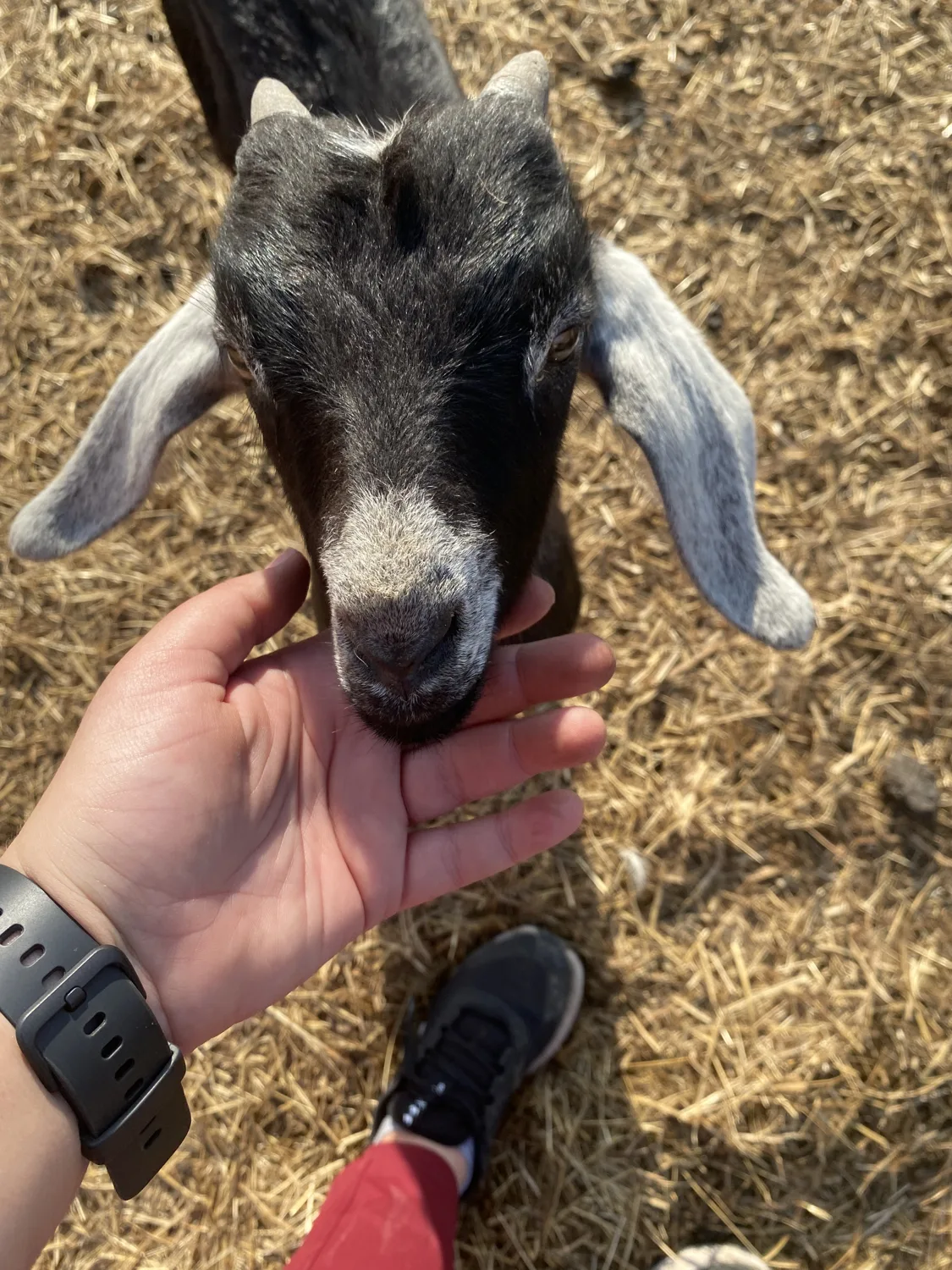
Each type of animal comes with its own needs. Dogs need exercise, safety on walks, and social care. Cats need clean litter, fresh food, and respect for their independence. Birds need careful handling of their environment, food, water, and cage cleanliness. Horses and goats need reliable feeding routines, secure spaces, and someone who can notice changes in posture, appetite, and behaviour.
The common thread is trust.
A professional sitter does not treat care as one-size-fits-all. They ask questions. They learn the animal’s schedule. They respect the home and the routine. They understand that even small changes can affect comfort and safety.
For animals with special needs, this becomes even more important. Senior pets may need slower movement, medication reminders, or extra monitoring. Puppies and kittens may need more frequent visits. Animals recovering from illness or injury may need a quieter approach. Pets with anxiety may need consistency and patience above all else.
The goal stays the same in every case: safe, compassionate, personalized care.
Peace of mind matters for people too
Pet sitting is about animals first, but it also gives families something valuable: the ability to be away without constant worry.
When care is professional, the owner does not have to wonder if someone remembered to stop by. They do not have to worry that a subtle health concern will be missed. They do not have to feel guilty that their pet is confused, lonely, or uncomfortable in an unfamiliar setting.
Updates can also make a big difference. A simple message that says the dog ate well, the cat came out for a visit, the bird is settled, or the horses are fed and calm can ease the stress of being away.
This peace of mind is not a small thing. Travel, work, family emergencies, and long days already bring enough pressure. Knowing a capable, caring person is watching over your pets makes the time apart easier.
At Time for Paws, that care is grounded in two ideas: professional knowledge and personal love. One brings skill. The other brings kindness. Pets need both.
The right sitter becomes part of the pet’s support system
The best pet sitting relationships are built over time. As the sitter gets to know the pet, care becomes smoother and more comfortable. The dog recognizes the visitor. The cat learns that the sitter is safe. The bird expects the routine. The horse or goat responds to a familiar, calm presence.
This trust cannot be rushed, but it can be built through consistency.
A good sitter pays attention to what works. They remember which toy a dog loves, which room a cat hides in, which treat is allowed, and which routine helps the pet settle. They also learn what to avoid, such as loud greetings, sudden movement, certain walking routes, or unnecessary handling.
Over time, that knowledge makes care better.
It also helps in urgent situations. A sitter who knows what is normal for a pet is better prepared to notice what is not normal. That can lead to faster communication and better decisions if something changes.
What to share before pet sitting begins
The best care starts with good information. Before leaving pets in someone else’s care, it helps to write down the details that make daily life easier and safer.
Helpful notes include:
- Usual feeding times and exact amounts
- Treat rules and food sensitivities
- Medication names, doses, and timing
- Walking routes and exercise limits
- Favourite toys, beds, hiding spots, or comfort items
- Behaviour concerns, fears, or triggers
- Veterinary clinic contact information
- Emergency contact details
- Door, gate, stall, cage, or enclosure instructions
- Any household details that affect pet safety
Clear notes remove guesswork. They also help the sitter keep the pet’s day as normal as possible.
If a pet has a medical condition, mobility issue, history of escape, special diet, or anxiety concern, that information should be shared before the first visit. The more the sitter knows, the better they can care for the animal.
Pets deserve care that feels like home
Professional pet sitting is more than a convenience. It is a way to protect your pet’s comfort, safety, and emotional well-being while life takes you away from home.
The food and water matter, of course. So do the walks, litter boxes, cages, stalls, and routines. But the real value is in the attention behind each task. A professional sitter notices. They respond. They care for the pet in front of them, not just the instructions on the page.
Safe care. Familiar routines. Gentle attention. Real peace of mind.
🐾 Time for Paws
Professional Care. Personal Love.